ARMENIA
A ‘HISTORIC WORLD’
WINE REGION
“Armenia’s majestic natural beauty, an awe-inspiring tapestry of stunning mountains, valleys, and rivers, captivated me in a way akin to having found a long-lost parent.”
- Vigen Yacoubian
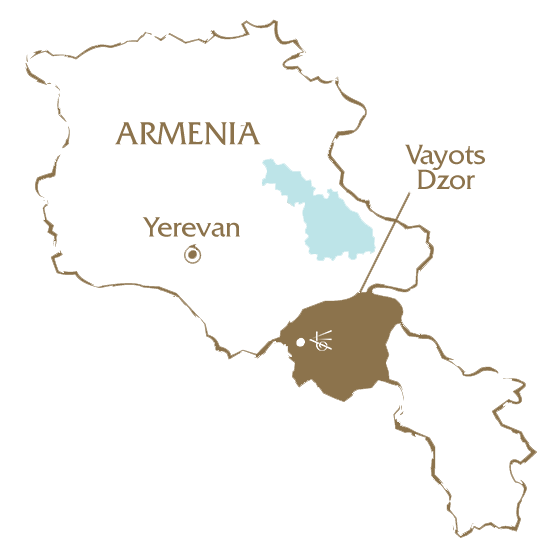
Nestled in the center of the South Caucasus region between the Black and Caspian Seas, Armenia is a small yet historic landlocked nation bordered by Georgia, Azerbaijan, Turkey, and Iran. Roughly 11,500 square miles (slightly smaller than the state of Maryland), it is home to a population of roughly three million people, though an additional 7 to 10 million live outside its borders as part of the Armenian diaspora. The country sits on a high plateau to the east of Mount Ararat – a dormant compound volcano with a peak elevation of 16,854 feet, and the alleged resting place of Noah’s Ark.
Armenia has cultivated vines for millennia, preserving many rare indigenous varieties that remain largely unknown beyond the region. Its rugged mountains, high-elevation vineyards, and volcanic soils have long shaped wines of vitality and depth. This remote, mountainous landscape is widely recognized as one of the cradles of domesticated Vitis vinifera wine grapes.
VAYOTS DZOR
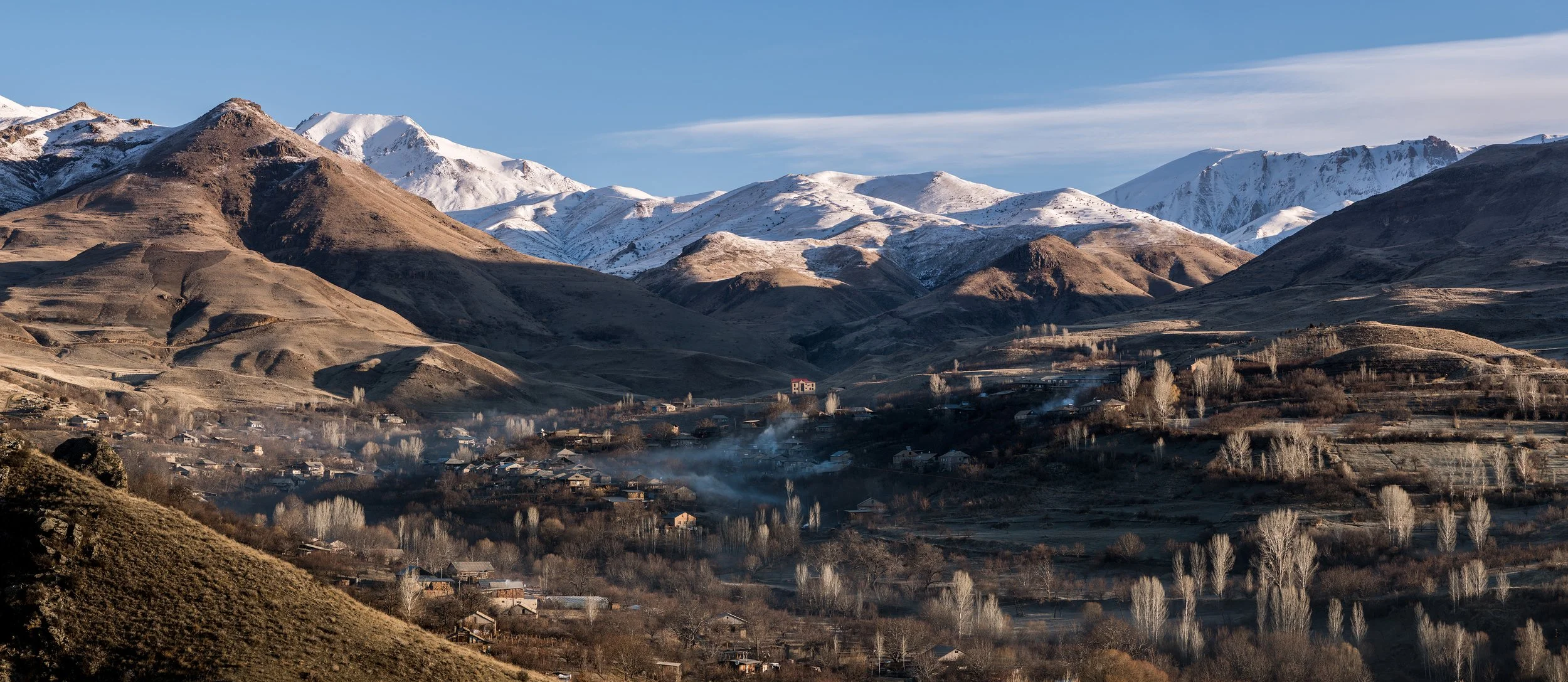
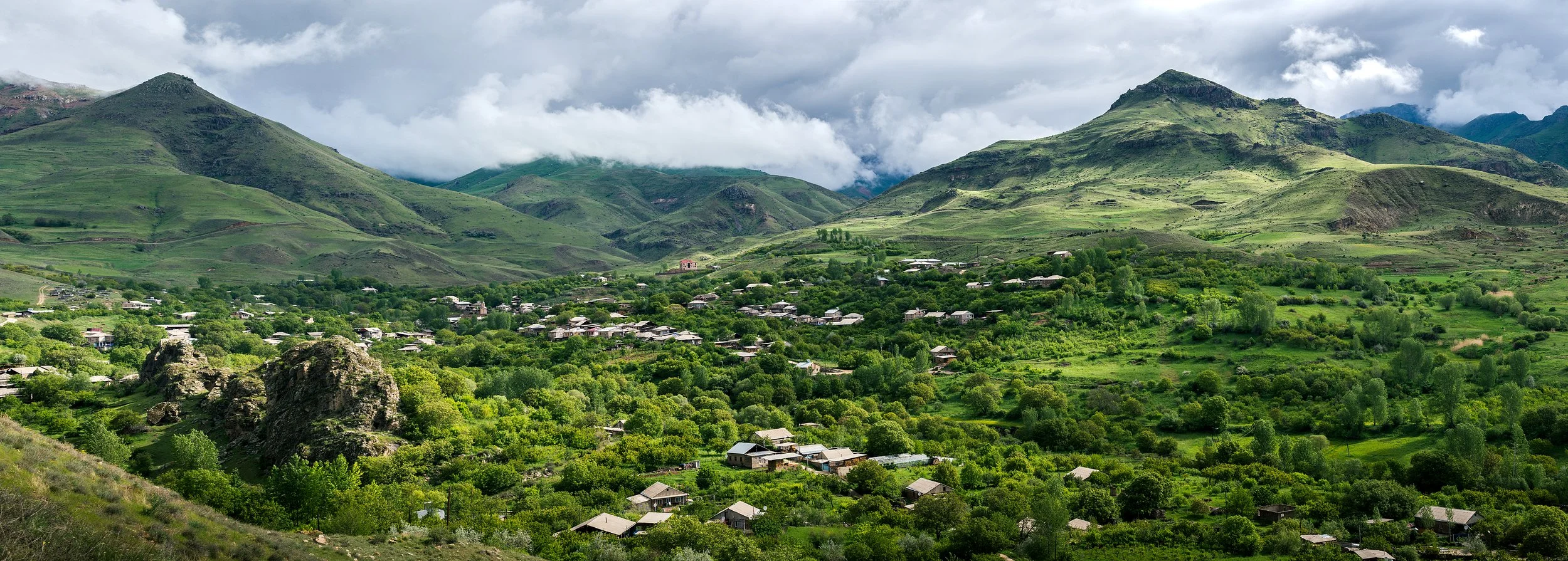
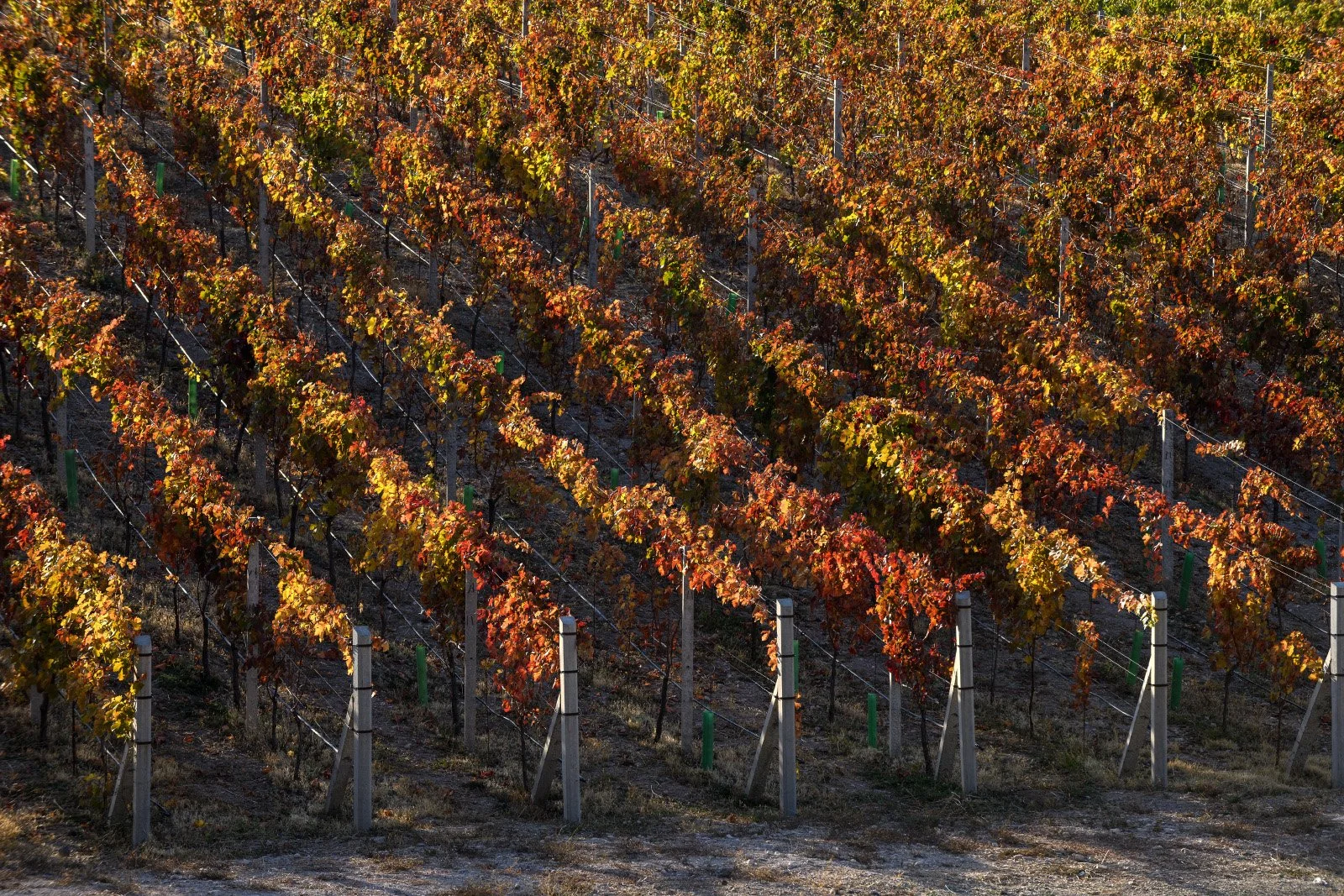
Considered the “grand cru” winegrowing region in Armenia, Vayots Dzor is a small, mountainous province in the southern end of the country dedicated exclusively to agriculture. With vineyards at extremely high elevations, it is one of Armenia’s most remote and sparsely populated provinces and is home to only about 10% of the country’s vineyards. Rocky volcanic soils with limestone deposits and an extended growing season provide unique terroir for indigenous varieties such as the country’s emblematic red and white grapes: Areni and Voskehat.
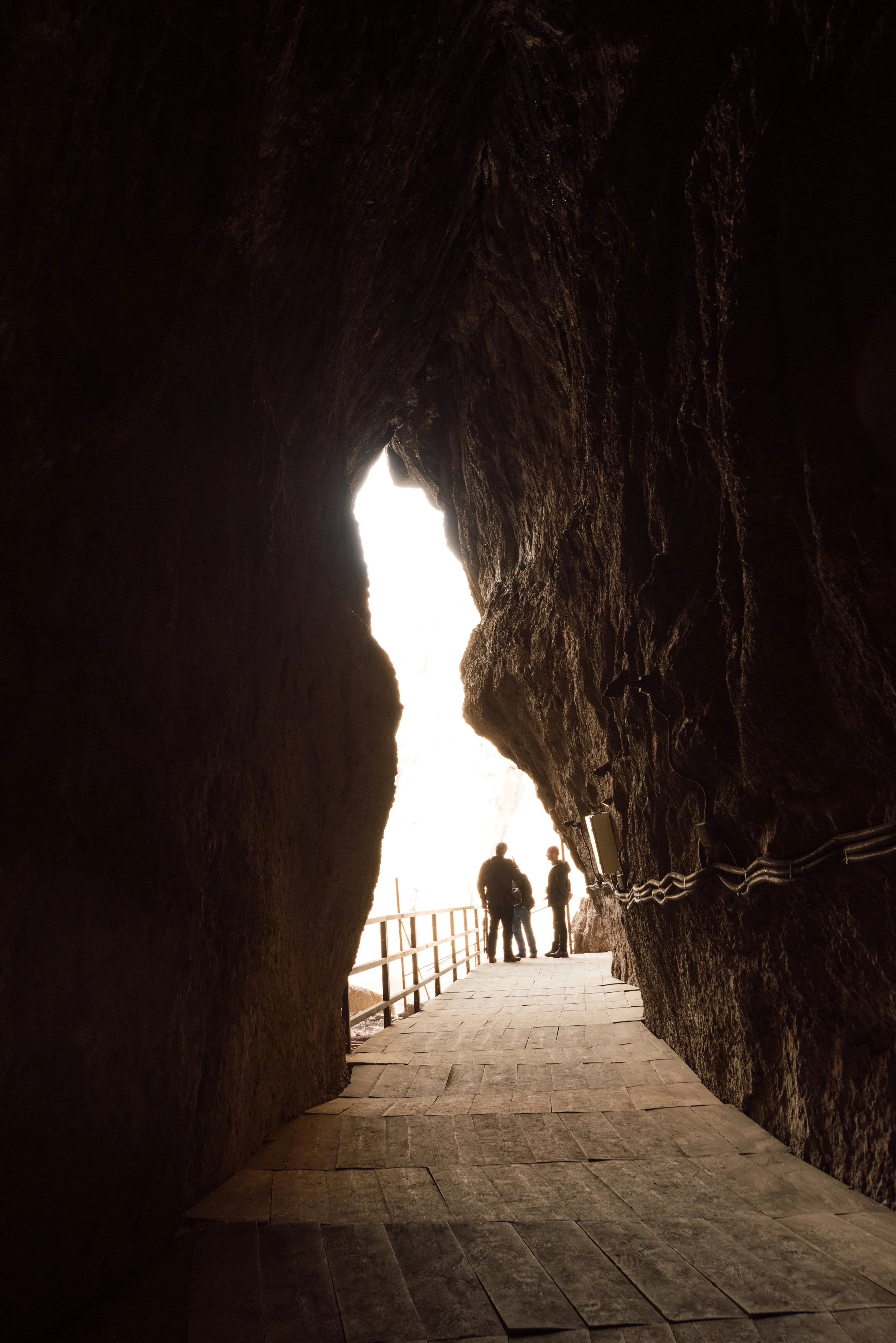
Vayots Dzor is also home to the Areni-1 Cave, the site of the earliest known evidence of winemaking in the world. Located near the village of Areni alongside the Arpa River, the cave sits just over two miles from the Yacoubian-Hobbs estate vineyard.
"When it comes to wine, apart from Armenia's great historical importance (rich, storied culture and heritage), the wines made from its mountainous terroirs are breathtaking and unique in character and style. There are few places in the world where one can look back over 6,000 years of human civilization and follow it to modern times with such moving and compelling vividness. For this reason, visiting Armenia ought to be on every explorer’s or adventurer's bucket list."
- Paul Hobbs
SIX THOUSAND YEARS OF WINE
Located in the cradle of wine civilization, Armenia has a rich vinicultural heritage, including the world’s oldest known evidence of winemaking found in the Areni-1 Cave in Vayots Dzor. Yacoubian-Hobbs is proud to be an integral part of the revival of this world-class winegrowing region.
-
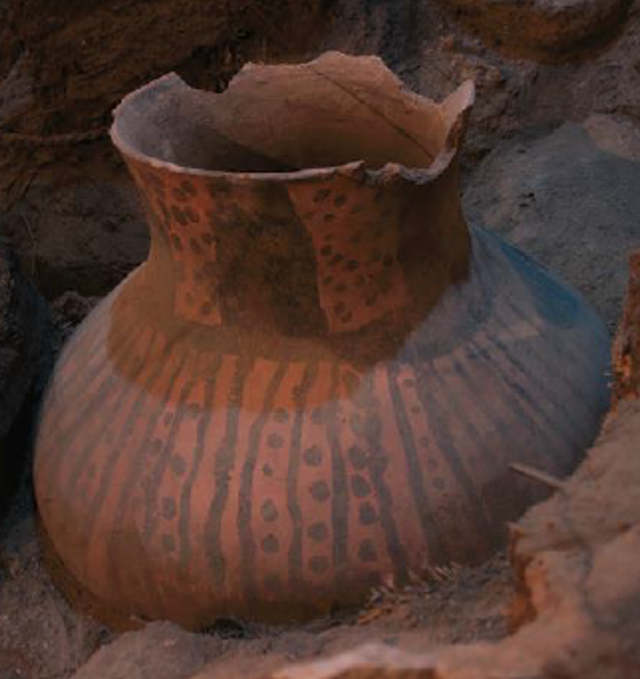
Areni-1 Cave, site of the world’s earliest known winery located near the village of Areni in Vayots Dzor. The complex includes fermentation vats, a wine press, storage jars, and remnants of Vitis vinifera grape seeds—evidence that complex winemaking was already underway during the Copper Age, 6,100 years ago.
-
Domesticated Vitis vinifera spreads across the Armenian Highlands, establishing the region as a cradle of grape cultivation.
-
Classical writers such as Strabo, Herodotus, and others, praise Armenian wines and document active trade routes carrying these wines throughout the ancient world.
-
Monasteries in the region preserve indigenous grapes, develop cellar techniques, and maintain viticultural knowledge.
-
Centralized planning prioritizes production of Armenian brandy over wine. Vineyard diversity narrows, but core practices survive, particularly in remote, mountainous provinces such as Vayots Dzor.
-
Independence sparks renewed investment in quality wine and indigenous varieties such as Areni and Voskehat. International interest is piqued.
The “ancient” or “historical world” designation is established, distinguishing those regions from the classic “new world” and “old world” regional classifications.
-
Paul Hobbs visits Armenia with the Yacoubians for the first time, exploring the region’s wine culture.
-
Prehistoric winemaking equipment at the Areni-1 Cave complex is discovered. The findings were published in 2011.
-
Yacoubian-Hobbs is founded by Paul Hobbs and the Yacoubian family.
-
The Yacoubian-Hobbs estate vineyard is acquired in Vayots Dzor, a stone’s throw from the site of the Areni-1 Cave.
-
The inaugural vintage (2014) of Yacoubian-Hobbs wines is released in the U.S. market.